Why Tangible Assets Still Matter in a Cashless World

Digital payments shape so much of how people spend today. Phones tap terminals, wallets auto fill, and transfers settle instantly. It’s convenient, yet the system isn’t perfect.
Outages still happen, accounts freeze, and fees creep in at the worst times. That’s why people keep looking for physical backups that don’t depend on a signal or server.
Ever wondered why tangible assets still carry weight? Read on.
The Shift Toward Frictionless Spending
Real-time payments came and made everyday purchases quick. Tap-to-pay has pushed things further by removing tiny frictions that once slowed spending.
People now move through checkout lines without thinking.
In simple terms, that ease changes how fast money leaves your account. It’s efficient, but it also means fewer built-in moments to reflect before completing a purchase.
Why Physical Options Still Sit In Wallets
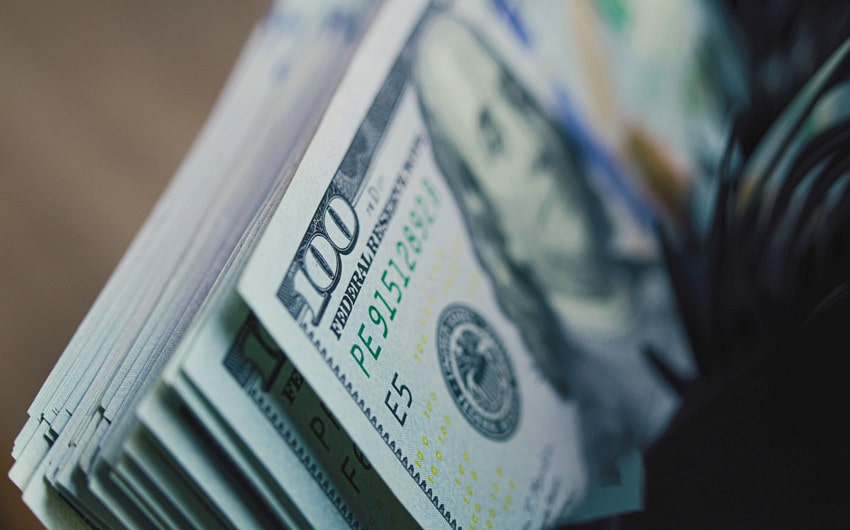
Even with digital dominance, cash and cards remain. They act as simple tools when phones die or networks drop. Some families also keep a small stash of bills for surprise expenses.
Items like a Custom Lanyard, commonly used to hold ID badges, access cards, or keys, reflect the same preference for simple physical solutions that stay visible, reachable, and functional without relying on digital systems.
It’s an old habit, but it works when speed or reliability suddenly matters more than convenience.
The Quiet Return of Small Metal Denominations
Precious metals never lose relevance. Why?
They’re great for anyone seeking a hedge against inflation and liquidity.
Options like fractional gold are easily accessible and affordable. People who value redundancy sometimes add small silver coinage to their emergency mix.
These pieces are portable and easy to store, plus resources on getting started as an investor are plenty.
If you value history as much as value, understanding junk silver investments makes total sense. The right guides offer a simple way to grasp silver content, usability, and why some buyers treat it as a fallback rather than a primary investment.
Why Outages Keep Physical Assets Relevant
Digital networks freeze more often than most people notice. A simple glitch takes down card terminals. A bank’s security hold locks an account. These moments are rare, yet they remind people that money tied to infrastructure can stall.
A publication by WIPO noted how AI is boosting both tangible and intangible investments. That momentum shows the world pushing deeper into digital territory, yet it doesn’t erase the need for resilient offline backups.
That’s generally because:
- Many people keep a micro-emergency fund.
- Some prefer a mix of bills and coins.
- Others prepare for service outages.
- A few rely on metals for redundancy.
- These setups depend on personal comfort with risk.
The Actual Benefits: Reasons Tangible Assets Stay Relevant
Some people swear by the comfort that physical money brings to daily life because it feels real and ready when needed. For others, the belief that digital systems can glitch at the worst moment drives their interest in simple offline backups.
Tangible assets fit these instincts well, offering practical advantages that don’t depend on a screen or connection.
These include:
1. Privacy
Cash offers quiet transactions that don’t leave a digital trail. Some people appreciate this when buying household essentials or gifts. A little privacy feels refreshing in a world where every tap records a moment of life.
2. Security
Precious metals don’t rely on passwords. They don’t glitch or log out. A small set of silver or gold pieces can sit safely at home until needed. They won’t replace savings accounts, but they protect value in a different way.
3. Resilience
Systems fail. That’s normal. It’s one reason people like holding something that still functions offline.
A recent study shared on ScienceDaily noted that physical cash even increases awareness and personal connection during spending. That behavioral benefit adds another layer to its long-term relevance.
4. Accessibility
Anyone can use cash without needing a device. There’s no learning curve or signup page. That makes it ideal in emergencies, more so for families supporting young children or older relatives.
5. Financial Stability
Some people scatter small backups across different formats.
- Cash for fast transactions.
- Metals for long-term resilience.
- Gift cards or prepaid balances for simple budgeting.
These options build personal stability without forcing everything into one system.
How Digital Habits Shape Physical Backup Strategies
People adapt their safety nets based on experience. A short outage teaches more than a year of perfect service.
As digital ecosystems grow, data and AI investments are increasingly outpacing physical assets, yet physical assets linger because they solve problems tech hasn’t fully eliminated.
They show up when phones die, networks stall, or banks move slow.
For example:
- Bills for power outages
- Small metals for storage stability
- Prepaid balances for travel
- Gift cash for simple budgeting
- Low-tech backups for peace of mind
Deciding What Mix Works Today
Every household builds its own setup. Some lean heavily on digital services because they work well day to day. Others prefer a hybrid model with a small cushion of offline value.
A balanced approach fits the rhythm of modern life.
Nonetheless, it’s best to choose what feels safe, simple, and steady.
The Future of Spending Blends Both Worlds
Cashless systems will keep growing, guaranteed. Digital wallets will keep getting smarter. Yet physical assets will still play supportive roles. People trust what they can hold when technology stumbles. That simple reality keeps the offline world connected to the digital one.
In Conclusion
We’re still light years away from a time when cashless systems phase out physical assets or vice versa. Tangible assets won’t replace digital payments, but they round out a healthy money strategy.
For more insights on smart financial habits, check out the rest of our blog.