Does a Privacy Fence Raise the Value of Your Home? What Today’s Buyers Look For

A privacy fence is one of the most practical upgrades homeowners consider when looking to enhance comfort, security, and curb appeal. But beyond the everyday benefits, many people want to know: Does a privacy fence raise the value of your home?
The short answer is yes — a well-built privacy fence can improve both the perceived and actual value of your property. However, the amount of value added depends on several important factors. This guide breaks down when a privacy fence increases home value, what type of fence offers the best return, and when it might not be worth the investment.
Does a Privacy Fence Really Raise the Value of Your Home?
Short Answer — Yes, Under the Right Conditions
A quality privacy fence can boost home value by making your property more appealing to buyers. Many real estate professionals estimate that a well-installed privacy fence can offer an ROI of 50%–100%, depending on material, neighborhood expectations, and condition.
Why Buyers Prefer Homes With Privacy Fencing
Homebuyers increasingly rank fenced yards as highly desirable — especially families with children or pets. Key buyer expectations include:
• A safe space for kids to play
• A secure yard for dogs
• Noise reduction in busy neighborhoods
• Increased privacy from neighbors
• More usable outdoor living space
When a privacy fence enhances these factors, it strengthens your home’s overall appeal.
How a Privacy Fence Improves Property Value
Stronger Curb Appeal
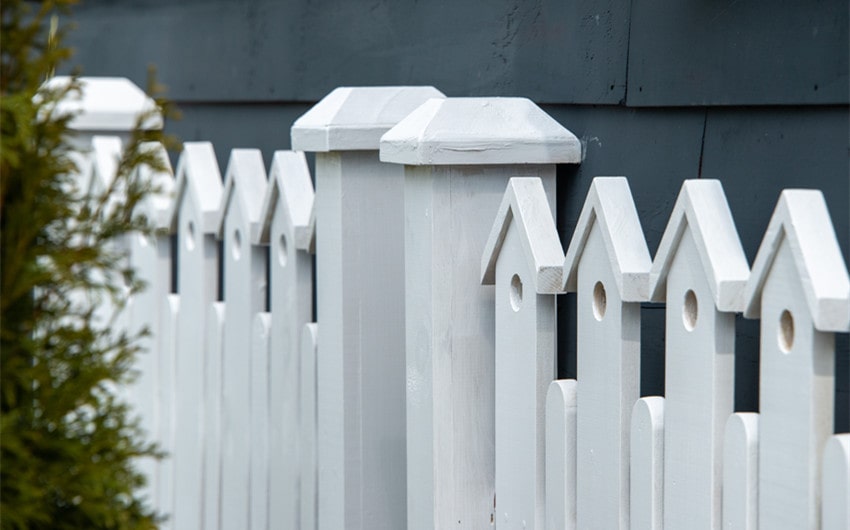
A straight, well-maintained privacy fence frames the yard, improves first impressions, and creates a sense of structure. It can make the entire property look more polished.
Increased Security & Peace of Mind
Buyers value anything that helps a home feel safer. A sturdy fence acts as both a physical and psychological barrier, deterring intruders and defining property boundaries.
More Usable Outdoor Space
A private yard feels bigger and more functional. Homeowners can enjoy the space for entertaining, gardening, outdoor dining, or relaxation without feeling overlooked.
Marketability & Buyer Expectations
In many suburban and urban markets, fenced yards aren’t just a bonus—they’re expected. Homes without fencing may feel incomplete to certain buyers.
What Impacts the Value Added by a Privacy Fence?
Fence Material & Construction Quality
The material you choose influences durability, maintenance needs, and long-term value.
- Wood: Natural and appealing, but requires upkeep
- Vinyl: Low maintenance and highly durable
- Composite: Premium appearance, long-lasting
- Steel/metal panels: Modern and extremely durable
The higher the quality, the more value your fence adds.
Installation Quality
Even premium materials lose value if the installation is poor. Leaning sections, uneven posts, and shallow footings reduce curb appeal and shorten lifespan.
Many homeowners choose to work with a professional fence company to ensure proper installation, long-lasting stability, and clean fence lines — all essential for improving home value rather than hurting it.
Fence Height, Style & Neighborhood Fit
A fence that matches neighborhood standards enhances value. A mismatched or oversized fence may have the opposite effect.
Lot Size & Layout
Large backyards benefit from fencing more than compact ones. In small yards, overly tall fences may feel boxed in.
What Types of Privacy Fences Add the Most Value?
Wood Privacy Fences
- Warm, classic appeal
• Cost-effective
• Requires regular staining or sealing
Vinyl Privacy Fences
- Very low maintenance
• Highly durable
• Excellent long-term ROI
Composite Fencing
- Premium appearance
• Resistant to fading, cracking, and rotting
Metal Panel Privacy Fencing
- Stylish, modern designs
• Extremely durable
• High curb appeal for contemporary homes
When a Privacy Fence Does Not Raise Home Value
Poorly Installed or Crooked Fencing
A fence that leans or lacks structural integrity signals poor maintenance and can reduce buyer interest.
Wrong Material for Local Climate
Moisture-heavy regions can warp wood and rust cheaper metal options. Choosing the wrong material leads to faster deterioration and lost value.
In wet, rainy environments like the Pacific Northwest, homeowners often rely on Cool Cat Fence, a fence company in Seattle known for recommending weather-resistant materials that hold up against rot, moisture, and corrosion — preventing long-term depreciation.
Fences That Clash With the Neighborhood
A modern fence in a historic area or a tall fence in a low-profile neighborhood can hurt resale appeal.
Poor Maintenance or Aging Materials
Discolored panels, missing boards, or rotting posts reduce the fence’s appeal and the home’s perceived value.
How Much Value Does a Privacy Fence Add?
Typical ROI Ranges by Material
- Wood: 40%–70%
• Vinyl: 60%–90%
• Composite: 70%–100%
• Metal Panel: Up to 80%+
What Buyers Value Most
- Durability
• Clean, modern appearance
• Low maintenance
• Private and secure yard
Regional Market Differences
Growing suburban cities and markets with family-focused buyers tend to see the highest value boosts from fenced yards.
Tips to Maximize Home Value With a Privacy Fence
Choose the Right Material for Your Climate
Wood works well in dry climates, while vinyl and composite are better for high-moisture or coastal areas.
Match Fence Style to the Home & Neighborhood
Choose colors, heights, and designs that complement local trends.
Invest in Professional Installation
A professionally built fence looks better, lasts longer, and adds more value.
Maintain Your Fence Regularly
Clean, stain, seal, or repair as needed. Small improvements go a long way.
Conclusion
A privacy fence can absolutely raise the value of your home—when it’s built with quality materials, installed correctly, and maintained over time. Buyers appreciate privacy, safety, and usable outdoor space, and a well-designed fence enhances all three.
By choosing the right materials and working with experienced professionals, homeowners can boost curb appeal, improve functionality, and increase overall property value.