Freddie Mercury Life Story: Career, Love, Health, Legacy, and Net Worth Details

Some artists don’t just make hits—they change what a frontman can be. Freddie Mercury did that with raw talent, fearless style, and a voice that could turn a stadium into one giant choir. Even decades after his death, people still want to understand the person behind the legend: where he came from, who he loved, what he battled privately, and how his legacy keeps growing. His story is emotional, complicated, and unforgettable—just like his music.
Quick Facts
- Full name: Farrokh Bulsara
- Stage name: Freddie Mercury
- Born: September 5, 1946
- Died: November 24, 1991
- Age at death: 45
- Birthplace: Stone Town, Zanzibar (then a British protectorate)
- Nationality: British (later life)
- Height: About 5’10” (178 cm)
- Profession: Singer, songwriter, performer
- Best known for: Lead singer of Queen
- Famous songs: “Bohemian Rhapsody,” “Somebody to Love,” “We Are the Champions,” “Don’t Stop Me Now”
- Marital status: Never married
- Long-term partner: Jim Hutton
- Closest lifelong companion: Mary Austin
- Estimated net worth at death: About $50 million (approximate)
Short bio (Freddie Mercury): Freddie Mercury was a British singer and songwriter who became one of the most iconic performers in music history as the frontman of Queen. Born Farrokh Bulsara, he grew up between cultures, later building his identity in the UK with a mix of sharp wit, art-school creativity, and huge ambition. On stage, he was magnetic—part rock star, part theater lead, part unstoppable force—using his voice, piano skills, and dramatic instincts to turn songs into full experiences. Off stage, Freddie was far more private than many people assume, carefully guarding his inner world while still building deep, lasting relationships. His death in 1991 didn’t end his influence; it amplified it, turning his career into a lasting blueprint for showmanship, songwriting, and fearless self-expression.
Short bio (Jim Hutton): Jim Hutton was Freddie Mercury’s long-term partner in the later years of Freddie’s life. Irish-born and known for being grounded and practical, Jim was not a celebrity-chaser and often came across as the opposite of the chaos that fame can bring. He met Freddie as an adult and eventually became part of Freddie’s closest inner circle, living with him and helping provide stability during years when Freddie’s health was declining. After Freddie’s death, Jim spoke about their relationship in a way that emphasized love, normal routines, and loyalty—details that made their bond feel human rather than mythic.
Short bio (Mary Austin): Mary Austin was one of the most important people in Freddie Mercury’s life—often described as his closest companion, even after their romantic relationship ended. They met in the early 1970s, shared life during Queen’s rise, and remained deeply connected through every major chapter that followed. Mary was not just a former girlfriend; she was family to Freddie in the way that mattered most: trust, privacy, and unwavering presence. Freddie famously left her a significant portion of his estate and his home, which reflected how central she remained in his personal world.
Early Life: From Farrokh Bulsara to Freddie Mercury
Freddie Mercury’s origin story is one of movement, reinvention, and sharp self-awareness. He was born Farrokh Bulsara in Zanzibar and spent part of his youth in India before his family eventually settled in England. That kind of cross-cultural upbringing often creates a strong inner life. When you’re constantly adapting, you learn to read people quickly, protect your private self, and build a public face that can move through different worlds.
In the UK, Freddie developed the persona that the world would later know, but it didn’t happen overnight. He studied art and design, and that background mattered. Queen wasn’t just a band with great music—it was a band with visuals, drama, and a sense of “show” that felt intentional. Freddie understood image and storytelling. He didn’t just sing. He performed in a way that felt like a full production.
Queen’s Rise: A Frontman Who Redefined the Job
Queen’s early years were a grind, like most bands before they break. But Freddie’s presence gave the group a unique center. He could make a small stage feel bigger, and he could make a big stage feel personal. That’s rare. Some singers have powerful voices. Some have charisma. Freddie had both—and he had the kind of musical instincts that turn good songs into unforgettable ones.
As Queen gained traction, their sound became more daring. They weren’t afraid to blend rock with opera-like harmonies, theatrical structures, and emotional storytelling. Freddie helped push that fearless mix. He wrote and co-wrote songs that weren’t built to fit an easy radio formula, yet they still became global anthems because they hit something deeper than trends.
He also had a gift for extremes. He could be playful and flashy, then heartbreakingly sincere. That emotional range is part of why his catalog still feels alive. The songs aren’t stuck in one mood. They move, shift, and surprise you—like Freddie did.
Songwriting Power: More Than Just “The Singer”
People sometimes talk about Freddie like he was only the voice and the showman. In reality, he was also a serious songwriter with a sharp understanding of melody and drama. His writing wasn’t afraid of big feelings, and it wasn’t afraid of bold structures. Even when a Queen song sounded complicated, it almost always had a memorable hook that people could carry with them.
Freddie also understood how to write for an audience. He knew the power of a sing-along chorus, the way a call-and-response moment can unite thousands of strangers, and the way a pause can create tension. That’s not luck. That’s instinct sharpened by experience.
Live Aid 1985: The Performance That Became a Cultural Landmark
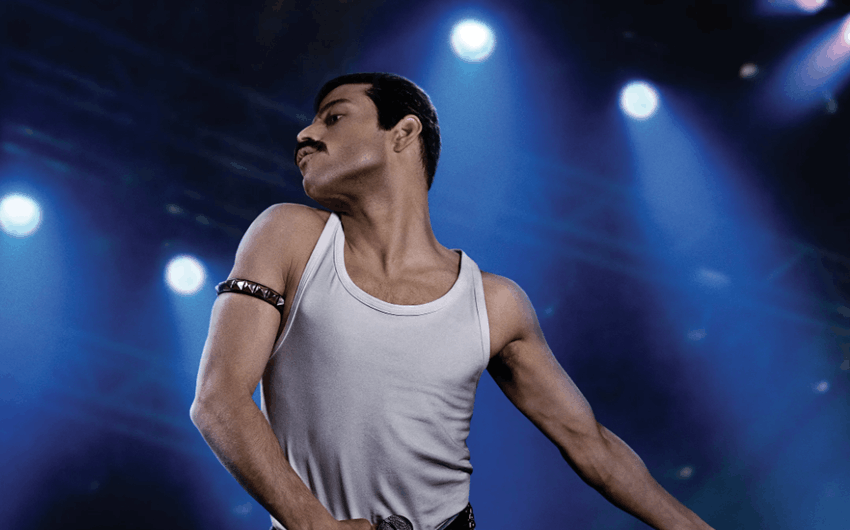
Freddie Mercury’s performance at Live Aid is often called one of the greatest live performances in rock history, and it’s easy to see why. It wasn’t just about vocal power. It was about control—how he directed the crowd like an instrument. He didn’t simply “perform at” the audience. He performed with them.
In those minutes, you can see what made him special: confidence without coldness, dominance without arrogance, and a kind of joy that felt contagious. It’s the sort of performance that turns someone from “famous musician” into “legend.”
Love and Relationships: The Private World Behind the Spotlight
Freddie’s romantic life has often been treated like a puzzle people want to solve. The truth is that he was both deeply social and deeply private. He could be the loudest person in the room and still keep parts of himself locked away. That’s not uncommon for people who live under constant attention. Privacy becomes protection.
Mary Austin: The Relationship That Never Really Ended
Mary Austin wasn’t just a chapter. She was a foundation. They met before the full weight of fame landed, which is often when bonds form in the purest way—before the world starts pulling at you. Freddie and Mary were romantically involved early on, and even after that romantic relationship changed, their connection stayed strong.
Many people interpret Freddie’s devotion to Mary as something hard to categorize. But it’s not that complicated when you think about trust. In a life filled with new faces, endless flattery, and people wanting something, trust becomes priceless. Mary represented safety, honesty, and home.
Jim Hutton: A Steady Love in Freddie’s Later Years
In Freddie’s later years, Jim Hutton became an anchor. Their relationship is often described as loving, committed, and built around real life rather than spectacle. Jim wasn’t a fame-seeker, and that mattered. When your life is public, being with someone who wants normalcy can feel like oxygen.
Jim was present during a period when Freddie’s health was deteriorating and public attention was relentless. That kind of loyalty isn’t glamorous, but it’s meaningful. The day-to-day care, the quiet routines, the staying—those things reveal a relationship’s real depth.
Health Struggles and the Final Years
Freddie Mercury’s last years were marked by intense privacy, growing illness, and a public that wanted answers. He kept working as long as he could, recording vocals even when his body was failing. That work ethic wasn’t just “professionalism.” It was purpose. Music was his identity, and creating was how he stayed alive emotionally, even as his health declined.
Freddie died in 1991 from complications related to AIDS. In the time since, public understanding of HIV/AIDS has evolved, but during Freddie’s era, stigma was brutal. That stigma shaped how people spoke, how the media reported, and how much fear surrounded the topic. Freddie’s story remains a reminder of what that era was like—and how many lives were affected by misinformation, judgment, and silence.
Freddie Mercury’s Net Worth and Estate
Freddie Mercury’s estimated net worth at the time of his death is often placed around $50 million, though it’s important to treat this as an approximation. His wealth came from Queen’s massive record sales, publishing rights, touring income, and the long-term value of music that didn’t fade after its release.
What makes Freddie’s financial legacy especially notable is how valuable Queen’s catalog became over time. Many artists earn well during their peak years, but only a few catalogs grow into long-term global assets. Queen’s music continued to sell, stream, and be licensed in films, commercials, and major events—meaning the estate value connected to his work kept expanding long after his death.
Freddie also made deeply personal choices with his estate. He left a significant portion to Mary Austin, which surprised some people but made perfect sense to those who understood their bond. He also ensured that the people he loved and trusted were protected. In a life where many relationships can be temporary, Freddie’s estate choices showed exactly who mattered most in his inner world.
Legacy: Why Freddie Mercury Still Feels Present
Freddie’s legacy isn’t just about nostalgia. It’s about how modern he still feels. His vocal style remains a benchmark. His confidence remains inspiring. His refusal to be small—artistically or emotionally—still feels like a challenge to anyone who’s afraid to stand out.
He also changed what performance could be. Today, it’s normal for artists to blend music with fashion, theater, choreography, and big visuals. Freddie helped make that kind of total performance feel natural in rock. He didn’t treat showmanship as “extra.” He treated it as part of the art.
And perhaps most importantly, his story continues to resonate because it contains both brilliance and vulnerability. He lived loudly in public and protected himself privately. He made people feel joy and carried pain. He created an image that felt fearless while navigating a world that wasn’t always kind. That mix of strength and fragility is exactly what makes him human, even as his legend grows.
What Freddie Mercury Represents Today
Freddie Mercury represents the idea that you can build yourself without asking permission. He didn’t arrive as a ready-made rock star. He shaped himself through creativity, ambition, and a willingness to be unforgettable. He showed that talent matters, but so does boldness. And he proved that a voice can outlive a body when the work is powerful enough.
Even now, when a Queen chorus hits and thousands of people sing it together, you can feel what Freddie created: connection. That’s the real measure of his legacy—not just records sold or awards won, but the fact that people still feel something when he’s heard. In a world that moves fast, that kind of staying power is rare.
image source: https://www.vox.com/culture/2018/11/2/18048688/bohemian-rhapsody-review-freddie-mercury-rami-malek-bryan-singer