Does Fencing Increase Home Value? How Professional Fence and Security Installations Influence Resale Appeal

Homeowners often ask a practical question before investing in exterior upgrades: does fencing increase home value? The short answer is that a fence usually does not raise a home’s appraised value dollar for dollar, but it often increases perceived value, buyer confidence, and marketability. In 2026’s competitive housing landscape, those factors can translate into stronger offers and faster sales.
This guide explains how fencing affects resale outcomes, which fence types add the most appeal, and when installation makes sense from a cost-versus-value standpoint. It also covers quality considerations and security benefits that buyers increasingly expect.
How Fencing Impacts Home Value in 2026
Fencing influences value in two different ways: appraised value and buyer perception. Appraisers may note a fence as an amenity, but it rarely adds a precise dollar amount to the appraisal. Buyers, however, often place meaningful value on privacy, safety, and clearly defined outdoor space.
In many markets, a well-designed fence can help a home stand out among comparable listings. That advantage may show up as a quicker sale, fewer concessions, or a higher final offer, especially when the fence aligns with neighborhood norms and buyer needs.
When Fencing Is Most Likely to Increase Home Value
Homes With Children or Pets
For families, a fenced yard is often a must-have. Buyers with children or pets tend to prioritize safety and containment, making fenced properties more attractive and functional from day one.
Urban and Suburban Neighborhoods
In denser areas, fencing provides privacy and a clear boundary between properties. Where fences are common and expected, homes without them may feel incomplete to buyers.
Defined Outdoor Living Spaces
Backyards used for entertaining, gardening, or recreation benefit from fencing that frames the space and makes it feel intentional. This “outdoor room” effect can elevate overall impressions during showings.
Fence Types and Their Effect on Home Value
Wood Privacy Fences
Wood fences offer warmth and privacy, two features buyers consistently appreciate. While they require maintenance, a clean, well-kept wood fence can enhance curb appeal and yard usability.
Vinyl and Composite Fences
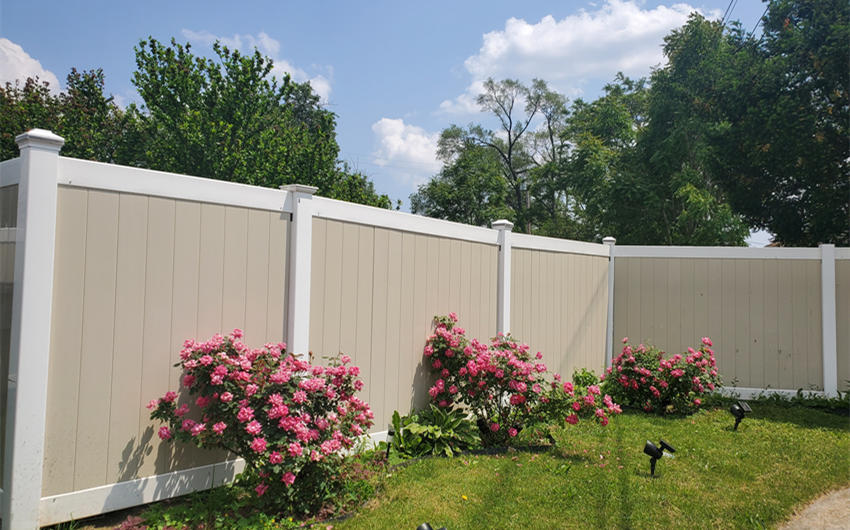
These materials are popular for their low maintenance and consistent appearance. Buyers often view vinyl and composite fences as long-term solutions, which can increase confidence in the property.
Decorative Aluminum or Iron Fences
Decorative fencing adds visual interest and a sense of quality, particularly in front yards. While it provides less privacy, it can boost curb appeal when matched to the home’s style.
Chain Link Fences
Chain link is functional and affordable, but it offers limited aesthetic value. It may help in practical scenarios, such as pet containment, but rarely increases perceived value in higher-end neighborhoods.
Quality Matters More Than the Fence Itself
A fence’s impact on value depends heavily on installation quality and design fit. Poor workmanship, mismatched styles, or visible wear can detract from a home’s appearance and raise concerns for buyers.
Homeowners who want fencing to support resale goals often work with experienced installers like Fantastic Fence to ensure the fence complements the property, meets local expectations, and presents well during inspections and showings.
Does Fencing Increase Appraised Value or Just Buyer Appeal?
In most cases, fencing contributes more to buyer appeal than to the appraised value. Appraisers may consider fencing as part of overall condition and amenities, but the return is typically partial rather than one-to-one.
That said, buyer appeal can be just as powerful. Homes that feel complete, private, and secure often attract more interest, which can influence final sale price indirectly through competition.
Fencing for Security and Perceived Safety
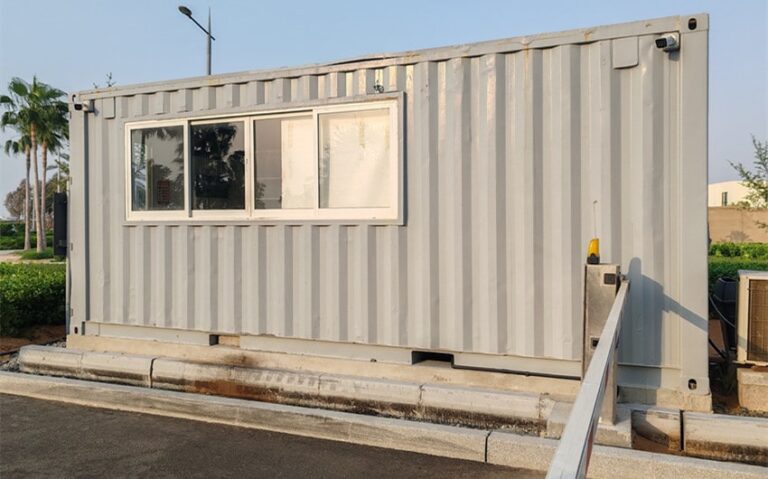
Security has become a stronger buyer consideration in recent years. Fencing that provides controlled access, clear boundaries, and visibility can enhance a sense of safety.
In neighborhoods where security is a priority, higher-grade solutions may be desirable. Some homeowners explore options from providers like Inline Security Fence when safety features, durability, and access control are key considerations rather than basic boundary fencing.
When Fencing May Not Increase Home Value
There are situations where fencing adds little or no resale benefit:
- Over-improving compared to surrounding homes
- Installing a style that clashes with the house or neighborhood
- Allowing fencing to fall into disrepair before listing
In these cases, fencing can even become a negative if buyers see it as a future expense.
Cost vs Value: Is Installing a Fence Worth It?
While homeowners often recover only part of the installation cost at resale, fencing can still be worthwhile. Beyond resale, it delivers lifestyle value: privacy, usability, and peace of mind. For many owners, those benefits justify the investment even without full financial return.
Tips for Homeowners Considering a Fence Before Selling
- Choose neutral, buyer-friendly designs
- Keep the fence clean and well-maintained
- Ensure gates and hardware work smoothly
- Match materials and height to neighborhood norms
- Install early enough to show condition and durability
Final Thoughts
So, does fencing increase home value? In most cases, it increases desirability more than raw appraised value. A thoughtfully chosen, professionally installed fence can make a home more appealing, functional, and competitive in the market.
When fencing aligns with buyer expectations and is executed with quality and care, it becomes a smart upgrade that supports both daily living and long-term resale outcomes.