
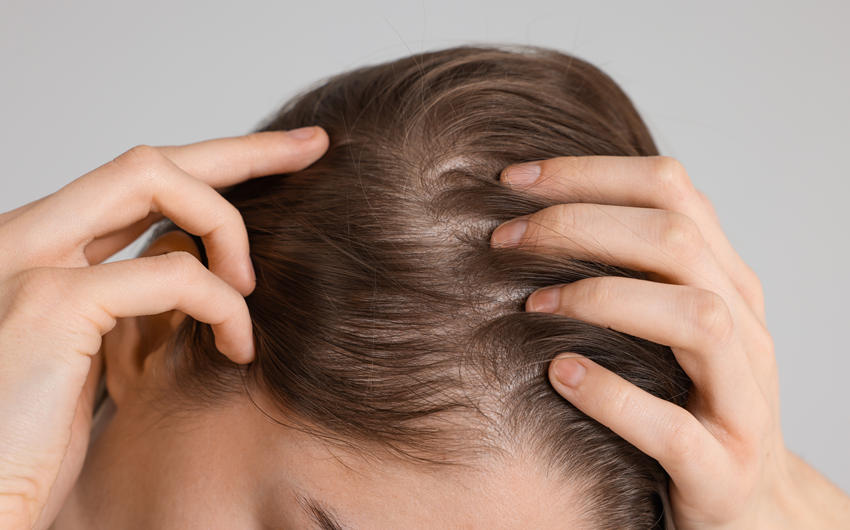
Effective Minoxidil Treatment For Hair Loss And Thinning

Hair thinning and early-stage hair loss are common concerns that can affect confidence and professional presence. For those seeking accessible, evidence-backed solutions, you can order Minoxidil for hair growth, a clinically proven over-the-counter treatment for hair loss and thinning. This guide explains how Minoxidil works, who benefits most, how to choose the right formulation and strength, step-by-step application instructions, expected results, and key safety considerations. It’s written in clear, practical terms for busy professionals who need straightforward, actionable guidance to protect and restore hair health.
How Minoxidil Works: Mechanism And Evidence
Minoxidil began life as an oral blood-pressure medication: clinicians later discovered hair growth as a side effect, which led to topical formulations for androgenetic alopecia (pattern hair loss). The exact mechanism isn’t fully understood, but evidence points to several complementary actions:
• Vasodilation: Minoxidil opens potassium channels, improving blood flow around hair follicles and likely enhancing nutrient delivery.
• Prolonging anagen phase: The drug appears to extend the growth (anagen) phase of the hair cycle, so more hairs remain in their active growth stage.
• Follicular enlargement: Minoxidil can increase follicle size, turning vellus (fine) hairs into thicker, terminal hairs.
Clinical trials show topical Minoxidil improves hair count and density for many people with androgenetic alopecia when used consistently. Improvements are usually most noticeable at the vertex (crown) for men and diffuse thinning for women. The evidence base includes randomized controlled trials and systemic reviews indicating that 5% topical formulations generally outperform lower concentrations for men, while 2% and 5% options are used for women depending on tolerance and physician guidance.
It’s important to note that Minoxidil treats the symptoms (follicle miniaturization and slowed growth), not the hormonal drivers like dihydrotestosterone (DHT). For that reason, combining Minoxidil with other interventions (when appropriate) can produce better outcomes for those with hormonal pattern hair loss.
Who Is A Good Candidate For Minoxidil
Minoxidil works best for people with early to moderate thinning rather than long-standing, extensive baldness. Typical candidates include:
• Individuals with recent-onset thinning at the vertex or diffuse crown thinning.
• Those with miniaturizing follicles visible under close inspection or on photos.
• People willing to commit to consistent, long-term application, stopping often reverses gains.
It’s less effective for complete bald patches with no visible miniaturized hairs. Age alone isn’t a strict limiter, but outcomes are usually better when treatment begins earlier. People with inflammatory scalp conditions, certain cardiovascular conditions, or those who are pregnant or breastfeeding should avoid Minoxidil unless cleared by a clinician.
For time-strapped business owners and marketers juggling client work and campaigns, Minoxidil’s at-home routine can be a manageable intervention, provided they set reminders and integrate application into daily habits (for example, after showering or before bed).
Choosing The Right Formulation And Strength
Selecting the correct formulation and strength affects effectiveness, tolerability, and user experience. Two primary decisions are formulation (solution vs. foam and topical vs. oral) and concentration (commonly 2% or 5%).
Solution Versus Foam And Topical Versus Oral
Topical solutions and foams are the standard for pattern hair loss. Solutions include propylene glycol, which improves delivery but can irritate sensitive scalps. Foams are propylene glycol–free, absorb quickly, and often feel less greasy, making them popular with people who style hair or have sensitive skin.
Oral Minoxidil is off-label for hair loss in many countries and typically prescribed at much lower doses than the antihypertensive regimen. It can be effective but carries higher systemic risk (blood-pressure changes, fluid retention) and usually requires medical supervision.
Concentration Options And How To Decide (2% Vs 5% Etc.)
• 2%: Historically recommended for women to limit systemic absorption and irritation, and still provides benefit for many.
• 5%: Offers stronger results in clinical trials, particularly in men: women may use it under clinician guidance.
Choice depends on sex, scalp sensitivity, prior reactions, and goals. If irritation occurs at 5%, switching to foam or a lower concentration often helps. A clinician can recommend oral Minoxidil or combination therapy when topicals are ineffective or impractical.
How To Use Minoxidil Effectively: Step‑By‑Step Routine
Consistency and correct application make the difference between modest and meaningful results. A practical routine helps busy professionals stick with treatment.
Proper Application, Dosing, And Timing
1. Clean and dry the scalp: Apply to dry hair and scalp to improve absorption.
2. Measure the dose: Use the supplied dropper or pump, typically 1 mL twice daily for 5% solution or according to product instructions. Foam directions often advise half a cap per application.
3. Target the thinning area: Part hair to expose the scalp, then apply directly to the affected zones.
4. Spread gently: Use fingertips to spread minoxidil evenly, do not wash it off.
5. Allow time to dry: Wait 2–4 hours before swimming or heavy sweating: for foams, drying time is usually quicker.
Morning and evening applications are common. Some adults prefer a single nightly dose (especially if using oral Minoxidil in combination), but dosing schedules should follow product labeling or a clinician’s advice.
Common Application Mistakes To Avoid
• Applying to wet hair, dilutes product and reduces efficacy.
• Overapplying beyond recommended dose, doesn’t speed results and raises side-effect risk.
• Skipping days, interrupts the steady-state effect: missed doses can stall progress.
• Using styling products immediately after application, can interfere with absorption.
Complementary Haircare Practices And Products
• Gentle shampooing and avoiding harsh sulfates preserves scalp health.
• Using a mild, pH-balanced conditioner on lengths only prevents product buildup on scalp.
• Low-level laser therapy (LLLT), nutritional optimization (iron, vitamin D where deficient), and certain topical adjuncts (like caffeine shampoos) can complement Minoxidil.
• For those concerned about DHT-driven loss, discussing anti-androgenic prescriptions with a clinician provides a combined approach.
Expected Timeline, Results, And How To Track Progress
Managing expectations helps maintain adherence and avoid disappointment.
Understanding The Initial Shedding Phase
An initial increase in hair shedding can occur within the first 2–8 weeks as weak hairs are pushed out to make room for stronger growth. This “shedding” is usually temporary and a sign the follicles are cycling, though it can alarm users who aren’t forewarned.
Setting Realistic Goals And Milestones (3, 6, 12 Months)
• 3 months: Subtle improvements in texture and thickness for many: early responders may notice visible density changes.
• 6 months: More consistent improvement in hair count and coverage: photos taken monthly start to show a trend.
• 12 months: Maximal benefits often apparent by this point, though incremental gains may continue beyond a year.
Track progress using consistent, high-quality photographs (same lighting, angle, and hair length), simple scalp maps, or hair-count apps. Objective tracking helps evaluate whether to continue, adjust strength, or consult a clinician for combination therapies.
Safety, Side Effects, And Precautions
Minoxidil is generally safe when used as directed, but users should be aware of both local and systemic effects.
Local And Systemic Side Effects To Watch For
• Local irritation: itching, redness, flaking, more common with solutions containing propylene glycol.
• Unwanted facial/body hair: systemic absorption or topical runoff can stimulate hair growth in unintended areas.
• Systemic effects (rare with topical use): dizziness, rapid heart rate, fluid retention. These are more likely with oral Minoxidil or when used with other systemic medications.
If users experience severe reactions, chest pain, fainting, significant swelling, they should stop the product and seek medical care.
Contraindications, Drug Interactions, And Special Populations
• Pregnancy and breastfeeding: Minoxidil is typically contraindicated: women planning pregnancy should consult their clinician.
• Cardiovascular disease: those with uncontrolled heart conditions should consult a physician before using Minoxidil.
• Drug interactions: combined use with other vasodilators or antihypertensives can alter blood-pressure control: always disclose Minoxidil use to prescribing clinicians.
When To Seek Medical Advice And Alternative Treatments
If results stall after 6–12 months, or if side effects occur, a medical review is appropriate. A clinician can confirm diagnosis (rule out telogen effluvium, nutritional deficiencies, or autoimmune causes) and propose alternatives.
Prescription Options, Combination Therapies, And Procedural Alternatives
• Finasteride or dutasteride (oral): reduce DHT in men and are commonly combined with Minoxidil for additive benefit.
• Low-dose oral Minoxidil: prescribed off-label in some practices with close monitoring.
• Platelet-rich plasma (PRP), microneedling, and hair transplantation: procedural options for those seeking stronger or faster results.
• Topical anti-androgens and compounded combination formulations: available through specialized clinics.
When To Stop Or Change Treatment
If intolerable side effects occur, if there’s no measurable improvement after 12 months, or if a different diagnosis emerges, clinicians will recommend stopping or switching treatments. It’s critical to weigh benefits against lifestyle, costs, and long-term commitment, especially for professionals who travel frequently or have inconsistent routines.
Conclusion
Effective Minoxidil treatment for hair loss and thinning is a practical, evidence-based option for many people with early to moderate pattern hair loss. Success depends on starting at the right time, choosing an appropriate formulation and strength, applying correctly and consistently, and monitoring progress. Professionals balancing demanding schedules should plan application into daily rituals and use objective tracking to assess return on investment over 3, 6, and 12 months. When in doubt, consult a clinician to personalize the plan and explore combination or procedural options.