Long Roads and Small Rituals: The Little Things That Make Travel Memorable

Grand photos like the Eiffel Tower at sunset, a Maldivian lagoon, or a Himalayan peak sell tourism. These are the major events we map and publish on social media. However, everyone who has traveled enough understands that the destination seldom defines a trip. Instead, it inhabits the gaps.
It lives in the steam from a paper cup at a misty train station, the rhythm of a twelve-hour bus journey soundtrack, or the way light strikes a dashboard covered in crumbs and maps. Small rituals, repeated behaviors, anchor us while our coordinates are continually altering. This book covers the top five subtle characteristics that make a simple journey into a lasting experience, illustrating that the long route is frequently better than the arrival.
1. The Art of the Curated Soundtrack: Mapping Memories Through Sound
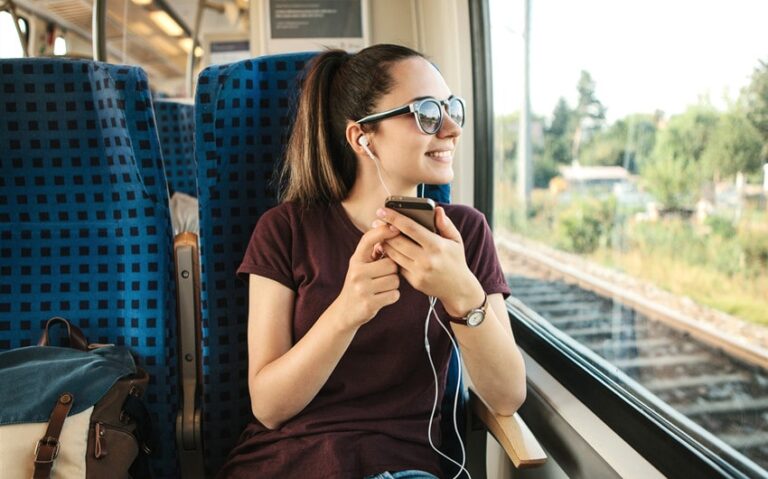
Music is one of the best things that travelers can bring with them. We are more aware of things when we are driving. At a faster rate, we are taking in new sounds, sights, and weather. We’re basically making a sense time capsule when we pair these events with a certain set of songs.
The Psychology of the Travel Playlist
Neurobiology studies show that music may have a direct effect on the hippocampus, which is the part of the brain that stores memories for a long time. When you drive through the Scottish Highlands and listen to a certain record, the smell of peat and the sight of mist-covered glens become closely linked. Even after years have passed, hearing just one track from that record can bring back strong memories that a picture can’t capture.
Building Your Audio Identity
The ritual isn’t just about listening. It’s about the preparation. Many seasoned travelers spend weeks before a trip planning their journey.
- Genre matching. Choosing lo-fi beats for urban exploration or folk-rock for desert drives.
- The one song rule. Selecting a single song to play every time you cross a border or reach a new city.
- External sounds. Sometimes the ritual involves silence. Choosing to put the headphones away to listen to the cadence of a foreign language in a crowded market.
These quiet times of thought are also affected by our internet friends these days. Small comforts are important whether you are sitting by a window and watching the world go by or taking a break at a beautiful lookout. For those who enjoy a moment of relaxation during a long layover or after a day of hiking, high-quality vapes have become a common part of the winding-down ritual, offering a familiar sensory experience regardless of what country you find yourself in. It is these personal habits, portable and consistent, that provide a sense of home in the middle of the unknown.
2. The Morning Coffee Quest: Finding Grounding in the Daily Grind
To find the first cup of coffee while traveling is one of the most lasting little habits. The morning coffee quest may seem like a simple need, but it’s actually a key way for travelers to learn about the culture of the area.
Beyond the Caffeine Hit
When you’re in a new city, the bar is the best place to see everyday life. By making it a habit to check out a new spot every morning. Or, going back to the same one until the barista knows you. You go from being a watcher to taking part.
- The Italian espresso. Standing at a marble bar, tossing back a quick shot with the locals before work.
- The Vietnamese phin. Watching the slow drip of coffee over condensed milk while sitting on a plastic stool on a Hanoi sidewalk.
- The Turkish sand coffee. Observing the hypnotic movement of the cezve in hot sand.
The Ritual of Observation
The day has order because of this routine. You have to leave your hotel or hostel before the busy tourist times start. From there, you can see the city wake up, with store owners rolling up their windows, kids running to catch the bus, and older people reading the morning paper. Often, these thoughts, shared over a hot cup, are more insightful than any tour guide.
Bringing the Ritual Home
Coffee rituals are great because they can be done anywhere. Many tourists come back with certain beans or making methods that they try to use in their own kitchens months later to recreate that exact Tuesday morning in Lisbon. Every day, it reminds me that the world is big, but everyone needs a quiet moment in the morning.
3. The Paper Trail: The Tangible Magic of Journaling and Ephemera
Even though every moment can be recorded in 4K video these days, writing things down in journals, on postcards, and on scraps of paper is still one of the most personal ways to make trip memories.
The Speed of the Pen
It’s quick to use digital cameras. It takes a long time to write. Sitting down to write even three lines at the end of a long day of exploring makes you think in a way that taking pictures doesn’t. It requires you to put feelings into words, like the exact shade of gold in the desert, how tired your legs are, or how kind a stranger was to help you find your way.
Collecting the Invisible Souvenirs
A great travel ritual involves collecting the trash that defines a trip. This includes:
- Ticket stubs from a local bus in Peru or a museum in Paris.
- Dried flowers pressed between the pages after a mountain hike.
- Sugar packets with foreign branding and typography.
- Coasters from a tucked-away jazz bar.
The Postcard Tradition
Postcards are a way to connect with people you care about and keep you in touch with the present. A strong way to make a trip last longer is to get a letter weeks after you’ve returned home and read your own handwriting from a different time and place. It turns a short-lived event into a tangible thing that will last forever.
4. The Slow Mile: The Ritual of Intentional Getting Lost
Stick to the plan, follow the map, and make the most of your time, we are often told. The Slow Mile, on the other hand, putting down your phone and going in a random direction, is often the most remembered part of traveling.
Breaking the Algorithm
These days, computers often decide how we move. We eat at places that are recommended by reviews and go to places that are recommended by reviews. This loop is broken by the practice of purposeful traveling. It makes room for chance, that happy mistake that happens when you turn down a private alley and find a fair, a secret patio, or a breathtaking view that isn’t marked on any map.
Finding Your Own Landmarks
You make your own map of a place by walking around it. You care more about that blue house with the cat than the national treasure because you found it yourself. This sense of finding out more about a place makes it feel like it’s yours instead of just somewhere you went.
5. The Evening Debrief: Reflecting on the Transition
The last thing you do every day, when you switch from the chaos of flight to the calm of rest, is when you really remember everything that happened that day. This evening debriefing can look different, but it always has the same goal: to end things.
The Shared Storytelling
When going with a group or a partner, High/Low is a standard routine that you should do. Each person talks about the best and worst parts of their day (the High and the Low) over dinner or while they’re sleeping. Travel problems, like missing trains or getting caught in the rain, are seen as normal by this routine, which makes them part of the story instead of just annoying.
The Solo Inventory
For the solo traveler, this ritual might be more internal. It could involve:
- Backing up photos. A digital ritual that allows you to swipe through the day’s captures.
- Checking the map. Looking at the distance covered and tracing the route with a finger.
- Preparing for tomorrow. Lying out clothes or packing a bag is a ritual of anticipation.
The Comfort of the Familiar
When we’re in a new place, our brains often tell us they need to rest by making us want something familiar. This could be a certain way to take care of your skin, read a few pages of a book, or even put your shoes by the door in a certain way. These little pieces of home give us the mental safety we need to deal with all the new information we get during the day.
The long road is longer than just a few miles. There is a lot of time that needs to be used up. We turn the area of travel into a rich fabric of experience by adding these small routines. We learn that the things we see aren’t the most important part of a trip. The little, quiet things we do along the way are.
FAQ
Why are rituals important during travel?
Rituals give psychological stability in a changing world. They ease travel anxiety by providing control and familiarity. They also assist the brain in organizing and retaining memories by linking actions to new sensory inputs.
How can I start a travel ritual if I’m an infrequent traveler?
Start small and concentrate on one sense. You may always purchase a local magnet or taste local street cuisine on your first night. Consistency matters. Repeating the activity on multiple visits makes it more significant.
Do rituals take away from the spontaneity of a trip?
Not at all. They frequently enable improvisation. Grounding rituals like morning coffee or evening journaling help you stay balanced and invigorated for travel’s unexpected times.
What is the best way to document small travel moments?
Photos are good, but multisensory is better. Gather tickets, keep a tiny notepad for rapid notes, and capture 30 seconds of ambient sounds at a crowded plaza. Later recollections will be stronger from these different recordings.
Can I create rituals for short weekend trips?
Absolutely. Even a 48-hour trip may be defined by rituals like an arrival stroll or a closing dinner. Your purpose matters more than your journey length.