
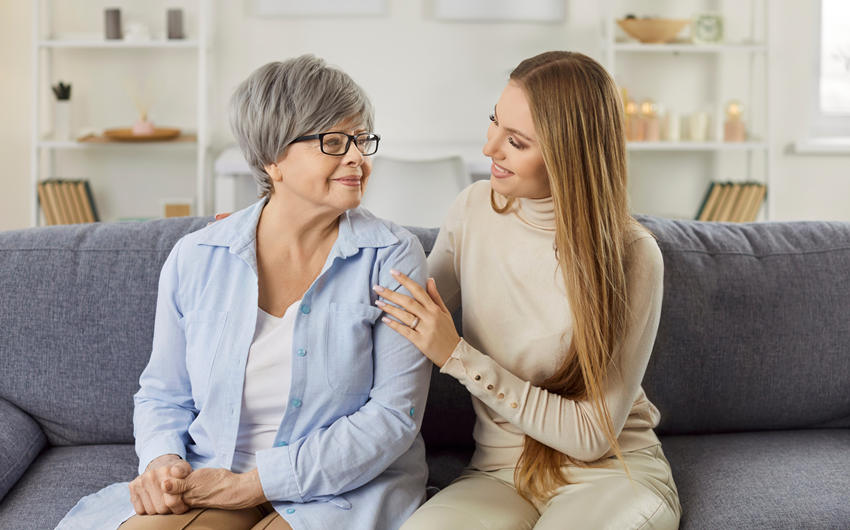
Helping Parents Stay Independent While Offering Support

Parents often strive to raise their children to be independent. But when they age, their children try to keep supporting them. Supporting parents isn’t all about doing all things on your own—it’s about making them independent and physically and mentally active.
Unsure how to create a supportive framework that empowers parents to remain independent while knowing help is available when needed? If that’s the case, no need to fret. Below, we’ll break down some essential tips. Let’s review them…
1. Encourage Open Communication
First things first: provide an environment where your parents feel comfortable expressing what they need and prefer. Be all ears to their concerns and fears.
Ask if they face any challenges or health problems. Act politely toward them so they can feel comfortable sharing their feelings and love with you, fostering a feeling of belonging.
2. Promote Decision-Making
Get your parents involved in decision-making regarding their care and daily routines. Whether it’s selecting a meal plan, choosing recreational activities, or planning family-friendly outings, let them have a say. This will help you maintain their sense of agency.
3. Assess and Adapt the Living Environment
Help your parents evaluate their living space for safety and accessibility. Consider simple modifications, such as installing grab bars, removing tripping hazards, and using smart home technology to make it easier for them to move around the home.
Let’s say you have other commitments to fulfill and are unable to stay around your aging parents at all times; no need to fret. Visit platforms like The Forum at The Woodlands to find independent and assisted living facilities with professional caregivers to support your parents’ comfort and independence.
4. Encourage Social Connections
Another good way is to encourage your parents to maintain social ties with friends and family. Let them engage in community activities, classes, or clubs that best align with their interests. This will help combat feelings of isolation and boost their overall well-being.
5. Provide Resources and Tools
Inform your parents about local services and resources—such as transportation, meal delivery, and senior living centers.
Further, equip them with the necessary communication tools, such as video calls and social media platforms, to promote social connection and engagement.
6. Offer Assistance Wisely
Offer help when necessary. However, be mindful of balancing support with independence. Assist with tasks that your parents find difficult to perform.
It doesn’t mean you start doing everything by yourself. Instead, encourage them to do what they can on their own and with ease. That way, you will maintain their skills and confidence.
7. Foster Health and Wellness
A healthy lifestyle for your parents matters most. Be sure to include regular physical activity, balanced nutrition, and mental health care. Participate in activities together, such as walking, jogging, or cooking, to foster camaraderie and mutual support.
8. Be Patient and Respectful
Most of the time, aging parents may have difficulty accepting help or change, and you should understand this well. With empathy and patience, approach discussions and offer support. Respect their preferences and boundaries throughout the process.
Conclusion
Helping parents stay independent while offering support is a delicate balance, but it’s entirely achievable with patience, empathy, and thoughtful planning. When you encourage open communication, involve them in decision‑making, adapt their living environment, nurture social connections, and provide the right tools and resources, you create a foundation that strengthens both their confidence and their autonomy.
Offering assistance in a way that respects their abilities, prioritizing their health and wellness, and approaching every change with understanding allows your parents to age with dignity and purpose. With the right approach, you can support their independence while still being the steady, loving presence they rely on.