
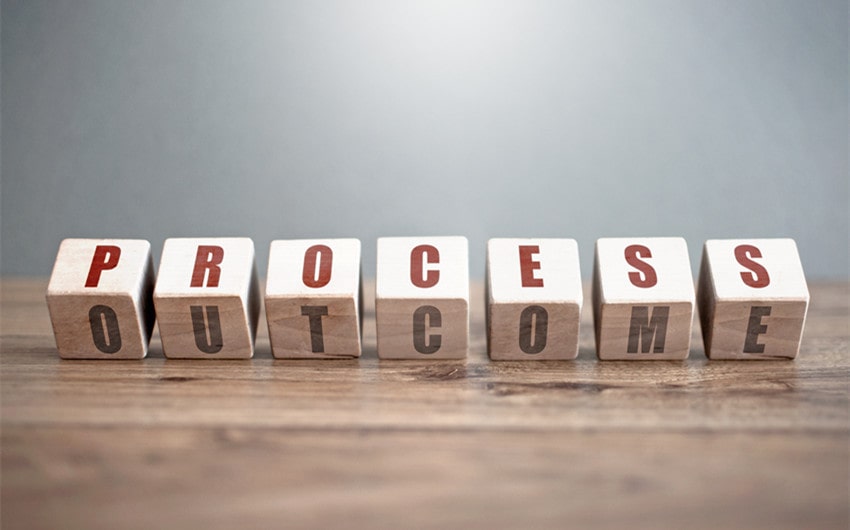
Why People Care About Results Even When the Process Matters More

People often say they value the journey more than the destination. It sounds right, almost wise. But in practice, attention still drifts toward the ending – the moment when everything finally becomes clear. This isn’t hypocrisy. It’s how the mind looks for closure, especially when the process itself is uncertain or emotionally charged.
The Moment Everything Becomes Clear
That pull toward the final moment shows up everywhere. When an outcome is recorded or summarized, it suddenly feels real and complete. This is especially true in formats built around recurring, outcome-based experiences, where each session leads to a clear ending. When it comes to the importance of results, casino games offer a clear and familiar example. Take Lightning Storm: each round unfolds as a self-contained event, leading to a specific outcome that players can look back on afterward as the Lightning Storm result. In this way, the result becomes the moment where the entire experience is distilled into something definite. In this context, the result isn’t just a number or a label; it becomes the point where everything that happened before finally settles into something concrete.
What happens here is subtle. The result doesn’t replace the process, but it reframes it. Everything that came before is now interpreted through that final outcome. Without it, the experience feels unfinished, like a sentence without punctuation. This need for clarity isn’t about impatience. It’s about resolution.
Why the Process Feels Different Without an Outcome
A process on its own can be engaging, even enjoyable. But without a clear ending, it often feels suspended. People may follow along, but part of their attention stays restless, waiting for a signal that says, “This is complete.” When there’s no defined result, several things tend to happen:
- Engagement becomes more fragmented
- Emotional investment feels temporary
- The experience is harder to recall later
The process still matters, but it floats. An outcome anchors it. This is why even long, complex experiences often feel lighter once they conclude. The mind relaxes when it knows the loop has closed.
How Results Shape Memory and Meaning
Memory doesn’t record experiences evenly. It compresses, edits, and simplifies. In that process, results play an outsized role. They act as summaries, quietly deciding what the experience was about.
Two people can go through nearly identical processes and remember them differently, simply because the outcomes differed. The ending colors the middle. Frustration can soften if the result feels satisfying. Effort can feel wasted if it doesn’t. This isn’t a flaw in perception – it’s efficiency. Results help turn a sequence of moments into a story with a clear shape. Over time, this habit becomes automatic. People look for outcomes, not to skip the process, but to make sense of it.
Why Outcomes Bring Comfort in Unpredictable Situations
Uncertainty demands attention. When things can change at any moment, the mind stays alert, sometimes tense. A result, even a neutral one, brings a sense of order back into the picture. It helps to compare how uncertainty feels before and after an outcome:
| Before a Result | After a Result |
| Open-ended tension | Defined conclusion |
| Multiple possibilities | One clear narrative |
| Ongoing evaluation | Retrospective understanding |
| Emotional suspension | Emotional release |
The result doesn’t always bring satisfaction, but it almost always brings calm. Knowing what happened is easier than wondering what will happen. That’s why people often seek results even when they claim to care more about the journey. The journey engages them. The result lets them rest.
The Balance Between Process and Outcome
None of this means the process is secondary or unimportant. Without it, the result would feel empty. But without a result, the process struggles to leave a lasting impression.
The two work together quietly:
- The process builds involvement
- The result provides meaning
- Together, they form a complete experience
When one is missing, something feels off. When both are present, even a simple outcome can feel significant.
Why Results Make Experiences Shareable
There’s another reason results matter that often goes unnoticed: they make experiences easier to share. A process is personal and subjective. A result is concise. It can be named, compared, discussed, or remembered together with others.
When people talk about events they followed, they rarely recount every step. They mention the ending. The final score. The outcome. That single point becomes a reference everyone can understand without reliving the full journey. Results turn private attention into social material. They allow conversations to start and continue:
- They give people a common reference point
- They simplify complex experiences into something discussable
- They make comparison possible without explanation
Without a clear result, sharing becomes harder. “It was interesting” doesn’t invite much response. “This is how it ended” does. In that sense, results aren’t just about closure for the individual. They act as a bridge between personal experience and collective understanding. They’re what allow an experience to leave the moment it happened and enter conversation, memory, and context.
Closing Thoughts
People may talk about valuing the process, but they still look for the result – not out of impatience, but out of a need for clarity. Outcomes don’t erase what came before; they organize it. They turn motion into memory and experience into understanding. And that’s why, no matter how engaging the journey feels, the final moment continues to matter.