Work Anywhere, Live Everywhere: 2026 Belongs to the Borderless Generation!

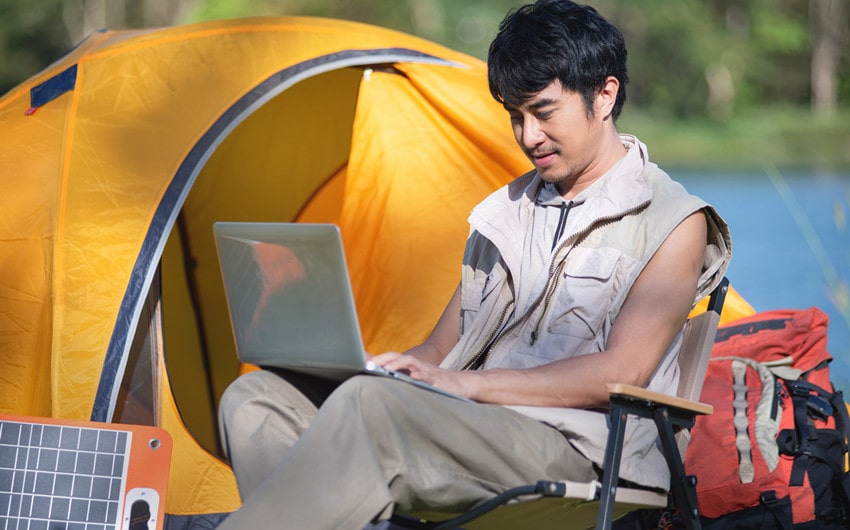
The way people work is changing. In 2026, more professionals are choosing to live abroad, travel often, or settle in places far from where their companies are based. With the right tools and clear expectations, location is no longer a fixed part of the job.
As remote work allows people to stay in places longer and shift toward more flexible living arrangements, many turn to resources like KT Rents for access to properties for rent, helping them find apartments or homes that fit their budget and lifestyle wherever they choose to live.
This gives people more control over how they live without stepping away from their work. It’s a model that fits the present moment: getting the job done, wherever that happens to be.
Remote Work Has Become the Default
What started as a temporary response a few years ago is now the norm. Companies have seen that location doesn’t limit output. Opening roles to people outside major cities has made hiring more flexible, more diverse, and often more cost‑efficient.
Remote jobs are most common in fields like tech, consulting, and digital marketing. In these roles, people report better focus and more control over their time.
This shift didn’t happen on its own. It was made possible by reliable cloud tools, better communication platforms, and a move toward measuring work by results, not hours. More companies now include remote‑friendly policies by default: mental health days, flexible leave, and clearer expectations around time off.
Leisure That Moves With You
For nomads, free time isn’t limited to evenings or weekends. It’s built into their daily routines, shaped by the places they pass through. A break might mean walking through a neighborhood they’ve never seen before or sitting down for lunch in a busy market. Sightseeing becomes part of how they reset between work blocks.
This kind of downtime helps with focus. A short swim, a hike, or a few quiet hours in a museum help people recharge without stepping away from their pace of life. Most nomads now look for destinations where they can easily access nature or local culture, as those surroundings help keep their routines balanced.
Online entertainment also plays a steady role. It fits easily into travel days, long waits, or evenings when going out isn’t practical. One of the most common examples is placing a sports bet through a mobile app. It gives fans a way to stay connected to matches no matter where they are, whether on a balcony in Athens or during a train ride in Slovakia.
Some turn to livestreamed events (music, film, or theater) to stay in touch with what they care about back home. These moments break up the day without adding pressure and give people something familiar, even while everything else keeps changing.
Top Destinations for a Working Life on the Move
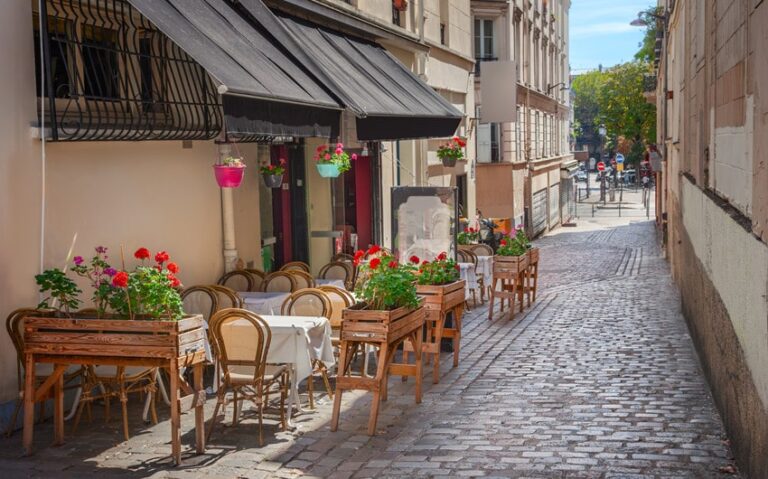
Where to go depends on what matters most: affordability, internet reliability, access to community, or simply a change of scenery. Portugal continues to attract remote workers in 2026. Lisbon remains a solid choice for those who want access to shared workspaces, fast internet, and an active creative scene.
Thailand remains a favorite for budget-friendly long stays. Chiang Mai’s low costs and strong support networks make it easy to settle in without giving up comfort. Digital visas are easy to obtain, and living there allows a mix of steady work hours and evenings spent at markets or local events.
Mexico’s Riviera Maya has seen steady growth in the remote work scene. Places like Tulum are building infrastructure aimed at mobile workers who want to stay close to nature. Coworking spaces now sit next to ecological preserves, and visa policy updates have made it simpler for travelers to stay longer without jumping through bureaucratic hoops.
What these locations have in common is a sense of balance. They offer stable internet, safe housing, and enough flexibility to support different types of routines.
Real Impacts on Local Life
The rise of remote work has changed how money moves through local economies. Long-term visitors are no longer tourists in the traditional sense. They rent homes, shop at neighborhood stores, and hire local services. Small towns and islands are adjusting, investing in better internet, more flexible housing, and workspaces built for people staying longer than a vacation.
But staying longer also brings responsibility. In smaller communities or areas with limited resources, a larger, ongoing presence puts pressure on housing, waste systems, and public space. Being part of a place, even for a few months, means paying attention to the impact you leave behind. That awareness should guide how people show up, spend, and move through these spaces.