How GPS Trackers for Pets Can Assist Professional Pet Sitters

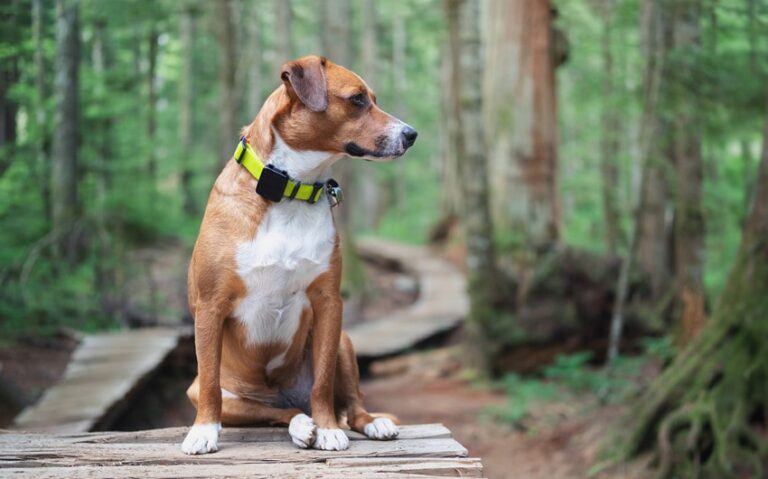
Professional pet sitters often face the challenge of managing multiple animals while ensuring each one remains safe and accounted for. When owners travel, they rely on accurate updates, and sitters must provide clear information about pet movements, behavior, and location. Therefore, many choose to visit the website https://petloc8.com/ during service planning to explore tools that improve oversight of roaming dogs and curious cats.
Improving Daily Monitoring for Pet Sitters
Pet sitters handle varying schedules, unpredictable behavior, and outdoor routines. They benefit from streamlined tracking while guiding pets through walks, yard play, or supervised roaming:
- live location updates give pet sitters instant tracking visibility, reducing the risk of losing sight of wandering animals;
- virtual boundary alerts notify caregivers when a pet exits a designated safe zone, helping manage free-range pets outdoors;
- movement history logs allow sitters to review past routes when reporting daily activity to owners;
- health-oriented motion metrics track step counts or rest periods, supporting documented wellness updates;
- charging reminders ensure continued tracking by preventing unexpected device shutdowns;
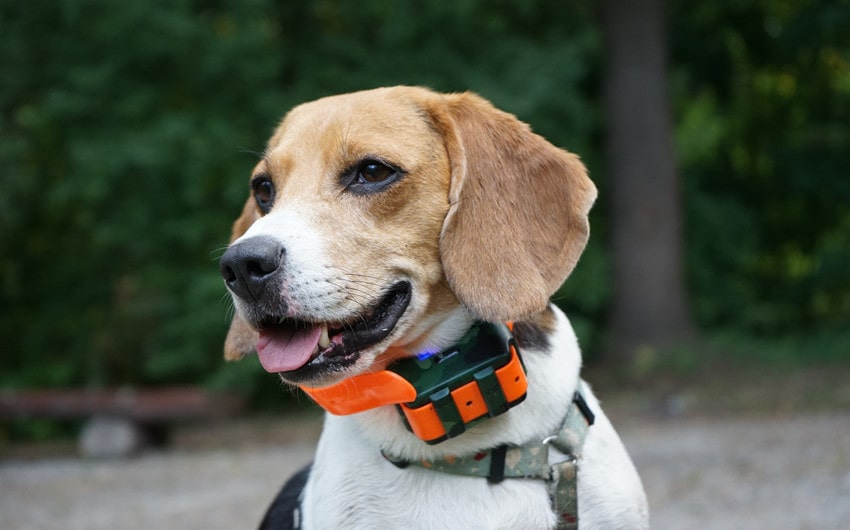
- compact and durable tracking units withstand moisture or rough play, ideal for active animals.
Caregivers integrate these features into regular activities, reporting data to reassure traveling owners. This helps improve service accountability and builds long-term client confidence.
Enhancing Professional Transparency
Pet sitters must communicate consistently with owners. GPS data supports messages about walk length, real-time behavior, or unexpected changes in routine. When a dog refuses to return indoors or explores unfamiliar territory, sitters can share exact coordinates, proving prompt response. Data also prevents disputes about scheduled time, location coverage, or neighborhood walking routes, which increases service credibility.
Sitters often offer premium reporting packages, and GPS trackers make those add-ons efficient. Owners receive verified logs rather than general statements, which strengthens perceived value. Additionally, location records help caregivers adapt plans for shy, energetic, or easily distracted pets, creating tailored schedules that align with owner expectations.
Managing High-Risk and Multi-Pet Assignments
Some pets require closer supervision due to age, reactivity, or special needs. Senior dogs, nervous cats, or recently adopted pets are more likely to escape or hide. A GPS tracker supports quick action, preventing risky delays. Sitters with multiple clients also benefit from consolidated dashboards that display active locations simultaneously, allowing structured task planning.
GPS tools assist temporary caretakers when emergencies arise. If a gate is left open, a leash breaks, or an indoor cat slips into a hallway, trackers shorten search time. Sitters can immediately show proof of recovery, preventing panic while reassuring owners.
Supporting Business Reputation and Operational Growth
Professional sitters rely on referrals, reviews, and retained clients. Tracking technology reinforces reliability during extended bookings and overnight stays. Clear records demonstrate responsible supervision and measurable service standards. When sitters provide location-based summaries, clients recognize tangible value, which encourages repeat requests.
Modern households seek real-time communication and verified activity reports. Tools that deliver measurable outcomes separate hobby sitters from experienced professionals. GPS tracking therefore becomes not only a safety measure but also a business differentiator. Many sitters find long-term success when integrating these systems effectively into daily service practices, especially when using trackers provided through Petloc8.